
BIPOC & LATINX THERAPY
A space where you don’t have to explain or translate who you are.
Therapy that honors your culture, identity, and lived experience.
For many BIPOC and Latinx individuals, family and culture are deeply important, and also complicated.
There may be strong expectations, unspoken rules, or a sense of responsibility that makes it hard to prioritize yourself. Setting boundaries can bring up guilt. Rest can feel undeserved. Choosing yourself can feel selfish, even when you're exhausted.
And for many, "just cutting people off" doesn't feel realistic or aligned with cultural values.
Therapy can be a space to talk about these dynamics honestly, without judgment and without being told your culture is the problem.
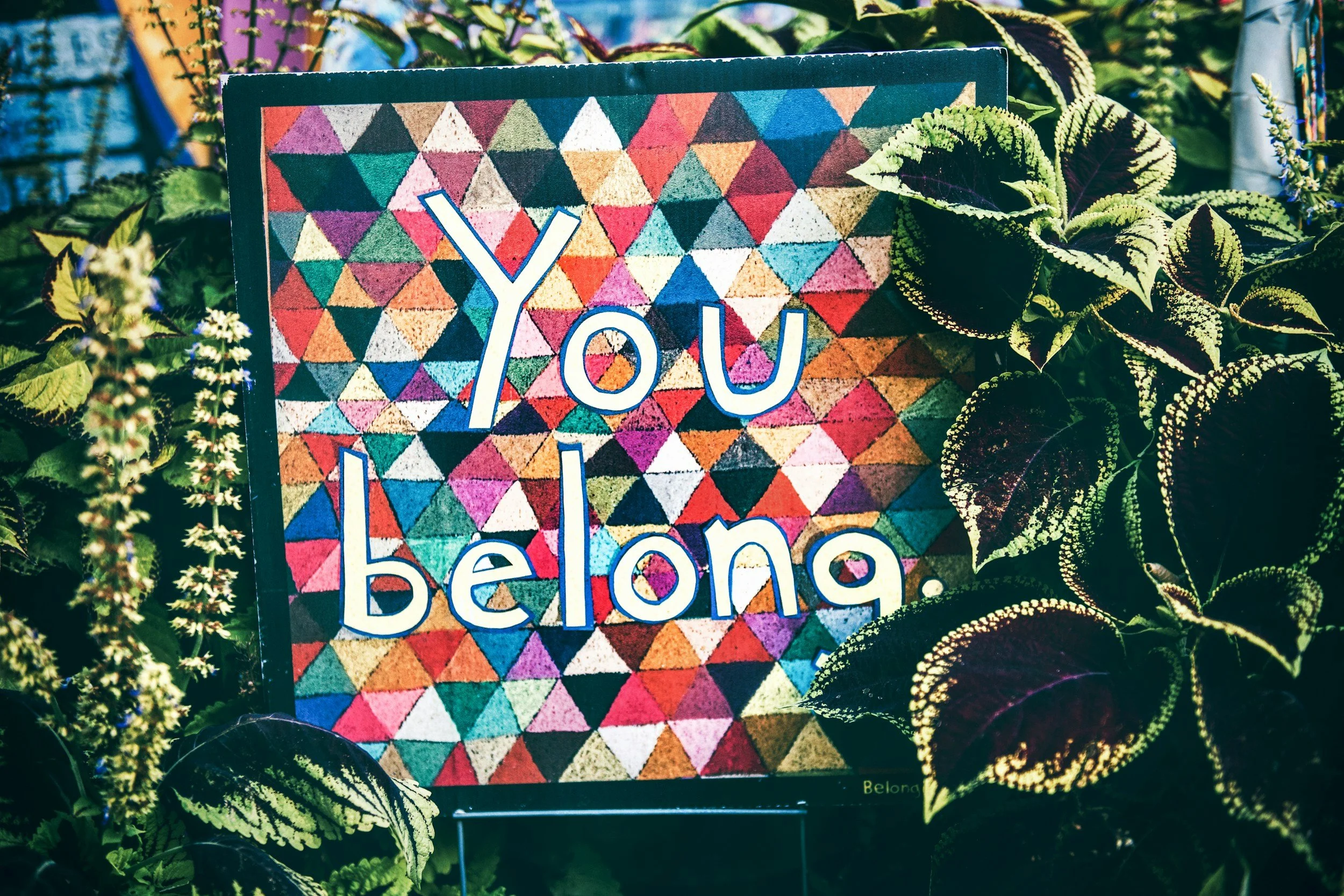
Culture, Identity & Belonging
Many BIPOC and Latinx individuals navigate the world carrying more than what’s visible.
You may feel pressure to represent your family or community well.
You may feel caught between identities or expectations.
You may feel like you’re expected to stay strong, keep going, or not complain.
That weight doesn’t always get acknowledged, but it matters.
Why This Space Is IntentionalAs a Latinx therapist, I resonate with the pressure that can come from family expectations and cultural values, not just within family, but in how we show up at work, in relationships, and in the world. While our experiences aren’t all the same, many individuals share the experience of carrying responsibility, pressure, and expectations that others may not see.
My goal is to offer a space that feels affirming, grounded, and respectful of each client’s unique experience.